
Why Presidents Aren’t Really in Charge | Scott Horton
Link to full episode: https://www.youtube.com/watch?v=wTNBhMZz2Ao
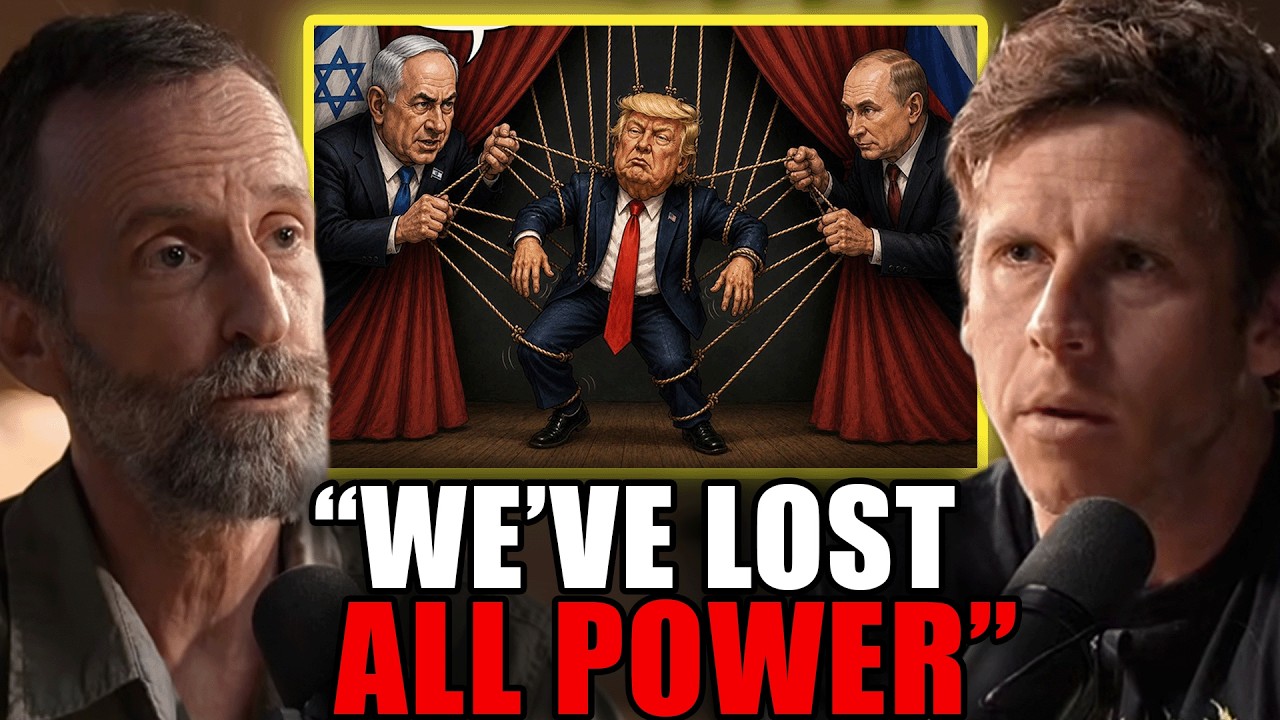
Scott Horton breaks down who he thinks actually shapes American foreign policy when presidents come and go but the same wars, alliances, and lobbying structures keep surviving. Danny asks whether there is a hidden force behind the scenes, and Horton pushes the answer toward something less cinematic and more concrete: special interests with money, institutional access, and enormous stakes in government policy.
The conversation moves through bankers, arms manufacturers, oil interests, agribusiness, the Israel lobby, and the neoconservative movement. Horton argues that these groups do not need to secretly control every event because they are already embedded in the political process, the national security state, and the incentives of both parties. He points specifically to the way foreign-policy lobbies influence Congress, state legislatures, and the larger war machine.
This clip is not about a single president or election. It is about the structure underneath the decisions: who benefits from war, who pays for influence, who writes policy language, and why the same priorities keep reappearing across administrations. Horton also explains why the neocons matter, how they overlap with military-industrial interests, and why he believes ordinary voters rarely get a clear view of the machinery behind the headlines.
If you have ever wondered why American foreign policy seems locked in place no matter who wins, this is Scott Horton’s plain-spoken explanation of the power factions, incentives, and lobbying networks he believes keep the system moving.
Horton also talks about how influence becomes normalized. A lobby does not have to announce itself as a conspiracy when it can shape campaign incentives, dominate expertise, write talking points, and make certain policy choices feel inevitable. That is why he keeps returning to the phrase special interests: it sounds boring, but it describes the people and industries with the most to gain from government action.
Danny presses on the idea of presidents as the visible face of power, while Horton points to the recurring policy patterns beneath them. The result is a clip about the difference between spectacle and structure. The president may be the person on television, but the deeper question is who has enough money, access, and institutional momentum to keep the same foreign-policy priorities alive after one administration leaves and another one arrives.
For viewers who follow Scott Horton’s antiwar work, this is one of the most compact explanations of his worldview. He is not saying every decision comes from one secret room. He is saying that policy is shaped by durable interests that understand the system better than voters do. That makes the clip useful as a foundation for the rest of the interview, because it explains why later subjects like Iraq, Iran, Palestine, and 9/11 keep circling back to the same institutions and incentives.
Subscribe to this channel: https://www.youtube.com/channel/UCQ_piSR8gm-TfHZcDWOJciA?sub_confirmation=1
Comments
Latest news


@DannyJonesClips
June 11, 2026 at 10:02 am
Link to full episode: https://www.youtube.com/watch?v=wTNBhMZz2Ao
@RichardZ-c3v
June 11, 2026 at 10:02 am
The thumbnail… say no more.
@chrisg2214
June 11, 2026 at 10:02 am
Where did this Israel narrative come from? I feel like I’ve heard more about Israel in the last month and it feels like propaganda.
I just have no idea what we’re even talking about.
@Augustus-h9s
June 11, 2026 at 10:02 am
I imagine it's just like the X-Files. A small group, with evil intentions. But who would be the Smoking Man? 🚬 👽
@SIXX2772
June 11, 2026 at 10:02 am
Noticing ole Danny boy hosts lots of brainwashing experts on his platform…
@mannypardo8630
June 11, 2026 at 10:02 am
https://youtu.be/u4RawKdA_gM?is=JnV2lq4sKd7Ihp-t
@Fish8x8
June 11, 2026 at 10:02 am
Same conversations happened 20 yrs ago when Obama was President……literally same conversations every 20 yrs. ABOUT THE SAME SHIT!
@MyYoutubesChannel
June 11, 2026 at 10:02 am
The new skull and bones is the shabtai society.