
John Lydon Criticizes Sex Pistols Reunion Tour Once More
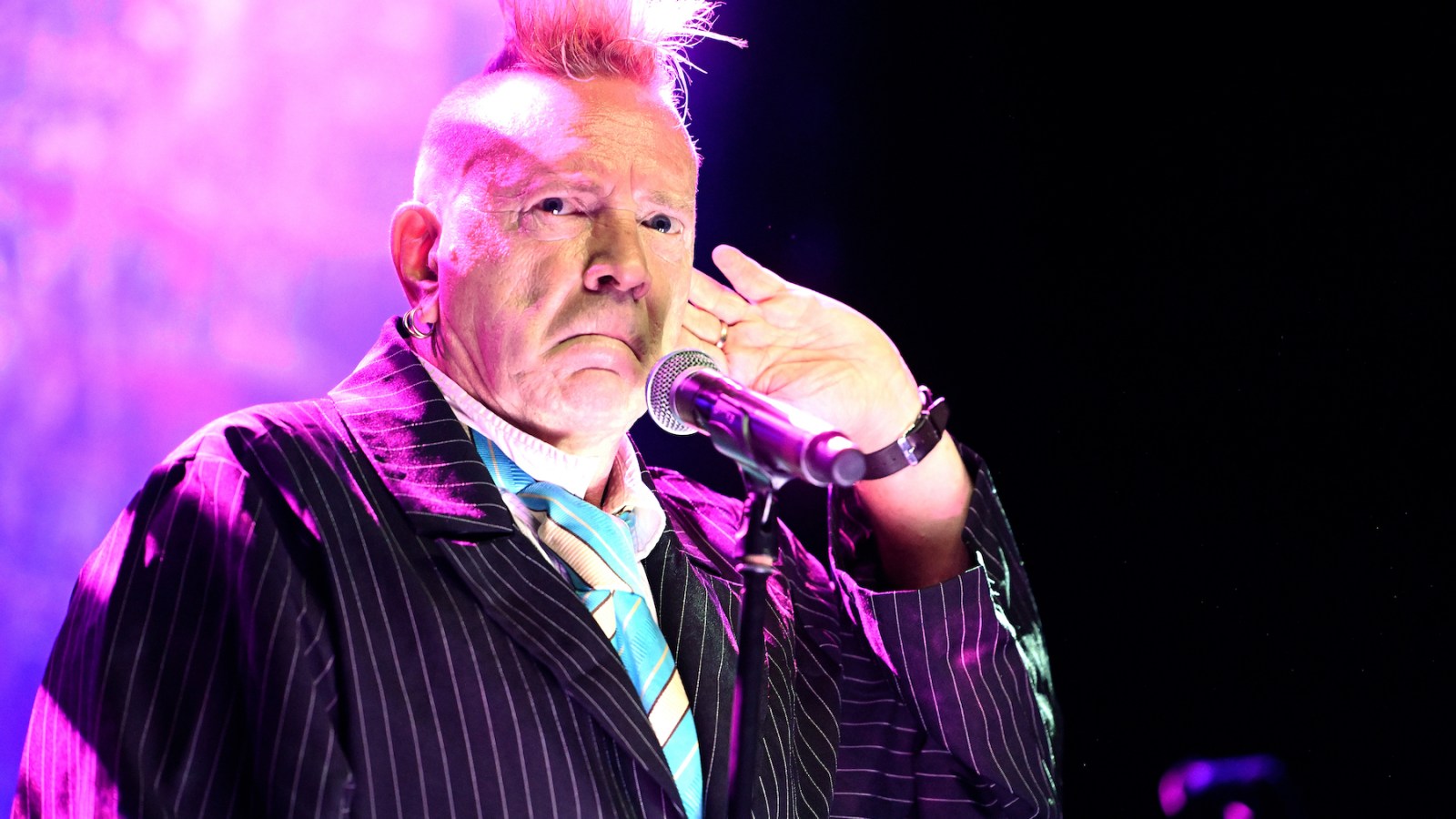
John Lydon Calls Out Punk Icons Over Sex Pistols Reunion: "I Am the Pistols, They’re Not"
In an electrifying display of punk fervor, John Lydon, the notorious frontman of the Sex Pistols, has unleashed a scathing critique of his former bandmates amid their controversial reunion tour with Frank Carter from Gallows. With characteristic bravado, Lydon, best known for his anti-establishment anthems and searing wit, laid his cards on the table during a recent interview with The Independent.
“That’s a clown’s circus at work,” Lydon declared, emphasizing his disdain for the lineup changes and direction of the iconic punk band. “Sorry, I’m not going to give a helping hand to this any longer. As far as I am concerned, I am the Pistols, and they’re not.” His words strike a chord for fans craving the raw authenticity that initially defined the band’s sound.
Lydon has been vocal about his disapproval ever since three of the original members—guitarist Steve Jones, bassist Glen Matlock, and drummer Paul Cook—announced their plans to tour with Carter. The ex-Pistol has been relentless in his criticism, branding the endeavor a “karaoke presentation” that dilutes the essence of punk rock. He adroitly denounces the reunion as merely a spectacle, punting the group into what he describes as “rubbish childishness”—an affront to the genre he once helped revolutionize.
The friction has only intensified post-reunion announcement, with Lydon recounting his emotional turmoil when he first heard the news. “It pissed me off,” he said. “They’re absolutely going to kill all that was good with the Pistols by eliminating the point and the purpose of it all.” His comments reflect a deep-rooted concern that the spirit of the Sex Pistols is being sanitized into a hollow cash grab.
With sharp words reserved for those he once stood shoulder to shoulder with, Lydon quipped about Carter’s new role: “The poor sausage! Does he know what he’s walked into? Good on him, what a great fucking opportunity, but there’s something darker going on behind it.” He hints at ulterior motives amongst his old bandmates, questioning their sincerity and dedication to the music that once shook the foundations of society.
Lydon’s critique extends beyond mere words; he accuses his former companions of “killing the content” and chasing Disney-esque ideals that he perceives as antithetical to punk. In a world increasingly fixated on nostalgia, the ethos of rebellion embodied by the Sex Pistols seems to be fading into the background noise of generic entertainment.
As Lydon stands firm in his conviction, he remains resolute that he will “never” rejoin the band, condemning their dirty deeds in a scene where authenticity is everything. "They’ve had how many years to write some new songs? That’s what I’d like to hear,” he challenged, calling for a revival of originality over rehashed renditions.
Whether this feud marks the end of an era or simply fuels Lydon’s ongoing legend remains to be seen. One thing is certain: in the world of punk rock, Lydon’s disdainfully brilliant commentary proves that he isn’t just the voice of a generation—he is, in his eyes, the very essence of the Sex Pistols. As the tour rolls on, the question lingers—can the remaining band members carry the torch of authentic punk, or will their quest for approval be relegated to the annals of musical history as mere echoes of their storied past? Only time will tell.


