
The Deadliest Line in Japan: Inside Fukushima’s Exclusion Zone
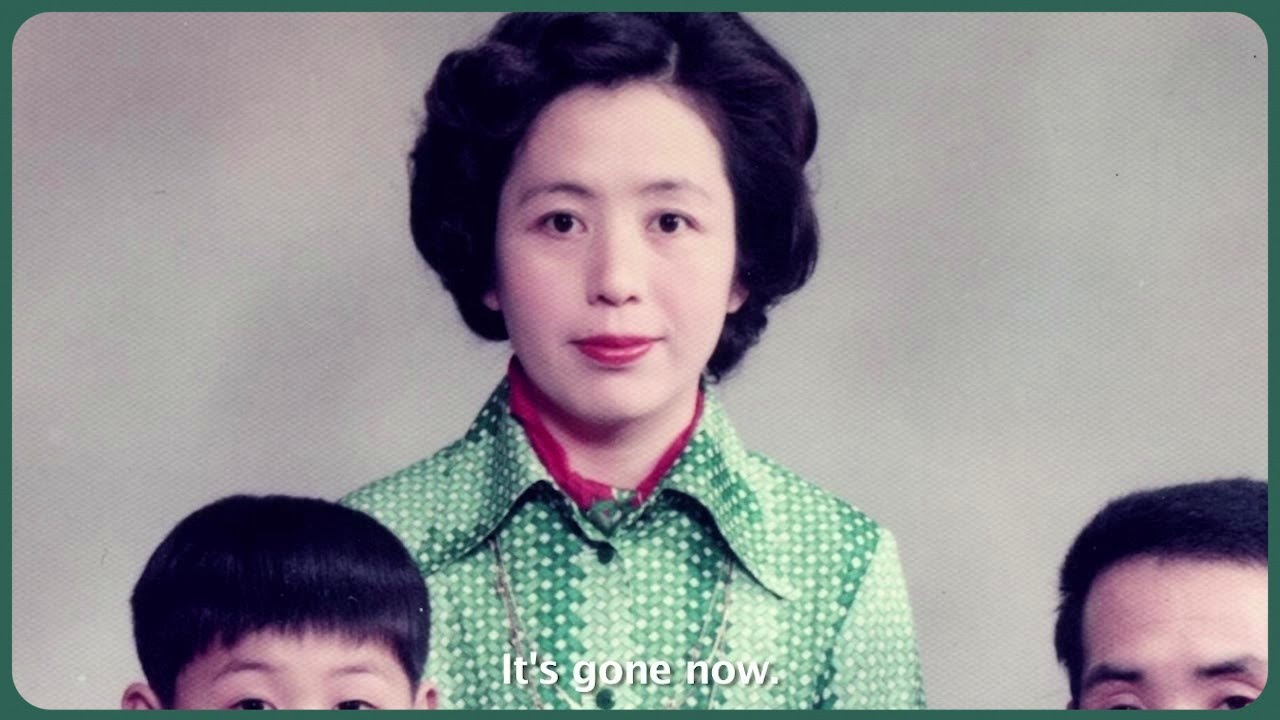
I return to Namie, 8 km from Fukushima, as my aunt Kuniko waits for a map that could split the town and decide if she can ever go home.
Once a place of slow, magical summers, Namie is now a patchwork of zones and permits. Kuniko, an entrepreneur who ran a wedding salon, funeral parlor and a patisserie, was granted special entry to the Forbidden Zone to check the family businesses. The coastal district was swept away by the tsunami; the central town battered by quakes and continuous tremors. Like thousands from Namie, her community scattered across Japan, with older neighbors in temporary housing and her three sons living far from home.
In a tiny flat about 60 km from the plant, life is on hold while a government “return map” is drawn. Cleanups continue, yet readings nearby are around 10 times normal, even in areas labeled safe. Anything above 0.2 is said to be too high for living, adding doubt to already quiet fears. I struggle with my own distance too, shuttling between London and Tokyo, wondering why anger seems muted and why some still refer to the power company with unsettling familiarity.
Generations diverge. Hideyuki, Kuniko’s middle son, evacuated 250 km away, bought a flat, and opened a new bridal hire shop. Elders hope to restore what was; the young press on. In Tokyo, the lights blaze; abroad, friends think the crisis ended long ago. In Fukushima, the waiting continues.
At a memorial chaired by my uncle, neighbors honor Namie’s 184 dead. Some here believe rescues were halted because of radiation; others fear certain deaths came from starvation. Old stories resurface about the town’s complicated courtship with the nearby nuclear plant, and the resentments that divided those who did and didn’t benefit.
When the long-delayed map finally arrives, it offers my aunt no prospect of returning while alive. Kuniko and her husband take one more permitted visit to salvage what matters. This is a personal journey through memory, loyalty, and loss, asking what home means when a line on a map says you cannot go back.
#Fukushima #Namie #Japan #Documentary #NuclearDisaster #Tsunami #ForbiddenZone


@ntpuckett
September 24, 2026 at 3:49 am
That AI audio is AWFUL. No one wants that and it makes me not want to watch your videos. Luckily this one had an alternative.
@genivieveblackwell262
September 24, 2026 at 3:49 am
YOU CAN TURN OFF AI
@yzdit
September 24, 2026 at 3:49 am
Horrrible comment
@BoomerLeftie
September 24, 2026 at 3:49 am
I couldn't watch this with that AI voice. UGH! 😡
@timecop808
September 24, 2026 at 3:49 am
AI voice over is complete garbage
@dianabensm4482
September 24, 2026 at 3:49 am
Seriously, I’m interested..in the people here, and their sad living situation! Think about it…if your home just disappeared., ?
@myarobilliard9693
September 24, 2026 at 3:49 am
The original audio has a lively voice over. For some reason it is labelled as “Japanese original” but it is mostly English. If you for some reason get an AI voice try switching.
@argo2624
September 24, 2026 at 3:49 am
To those unhappy with the AI voiceover, go to the Settings > Audio Track > Japanese original.
The person is actually speaking in English …. Idk why they bothered to enable AI voice over for this video.
@Flea_ip
September 24, 2026 at 3:49 am
Absolutely horrible AI voiceover. Unwatchable.
@blueberry6835
September 24, 2026 at 3:49 am
"RealStories" with fake voice
@debbie.mckenzie
September 24, 2026 at 3:49 am
Un-listen-able.
@DahHorse
September 24, 2026 at 3:49 am
The ai voice immediately made me stop watching
@Luunchb0xxx
September 24, 2026 at 3:49 am
Voiceover is TERRIBLE, completely unlistenable.
@lindamcwilliams9056
September 24, 2026 at 3:49 am
Please get rid of the AI voice.