
Louis Theroux: Inside America’s Largest Dementia Capital
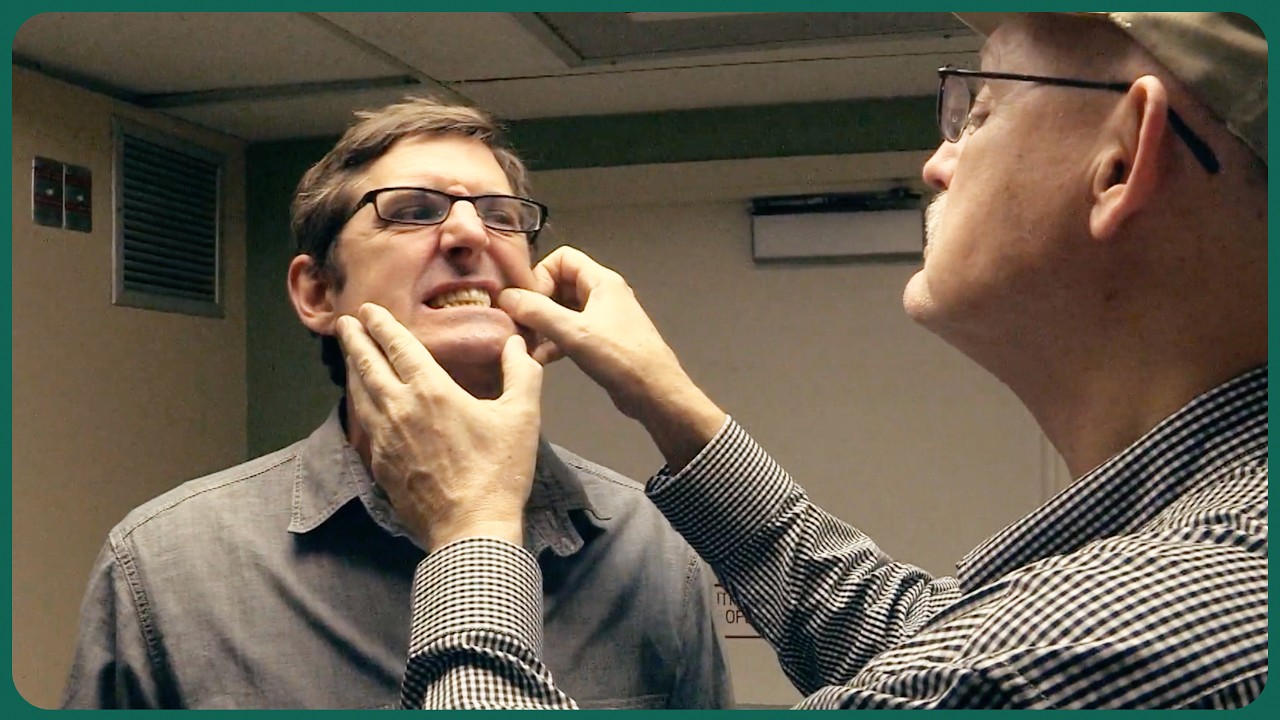
Louis travels to Phoenix, Arizona – the capital of dementia care. He spends time with sufferers and relatives, exploring the struggle of living in a world of encroaching shadows.
Instagram – @realstoriesdocs
Any queries, please contact us at: owned-enquiries@littledotstudios.com


@Dactylawn
June 8, 2026 at 1:50 am
If this was just produced, all of Phoenix is stuck in 1998.
@corinnamyers6625
June 8, 2026 at 1:50 am
Carla does not love Gary and I feel probably never has . I. When not at the office…….
@Zodliness
June 8, 2026 at 1:50 am
Great Louis Theroux BBC documentary… And the real kicker…. TV licence not required! 😏🤣
@donskuse2194
June 8, 2026 at 1:50 am
I don't have dementia (yet) but I wouldn't mind playing with balloons now. Maintain your child within and hope they resurface when you'll need them the most.
@thedude5702
June 8, 2026 at 1:50 am
I watched both of my in-laws die in nursing homes, I hope to never live that long.
@OneironauticalOne
June 8, 2026 at 1:50 am
"The long goodbye". Heartbreaking to see and can't imagine living it.
@GayleenFroese
June 8, 2026 at 1:50 am
Nancy reminds me so much of my mom at that stage. It's eerie.
@bugsybrown1745
June 8, 2026 at 1:50 am
I noticed with the two couples where the dementia sufferer was being cared for at home, they didn't seem to really get upset about not remembering how to do something or who someone was. They'd just roll with it and laugh it off. Even Nancy who was severe enough not to recognize her husband, John.
Celinda did get start to get upset when she was being tested at the Institute and asked to draw a clock, but I don't think that's a situation Glenn would ever put her in and force her to try.
She was willing to show how Louie how she struggled to use a cell phone at home, but in that scenario she also kind of just laughed it off and changed the subject eventually.
@latinaalma1947
June 8, 2026 at 1:50 am
Nanacy 7s sweet and charming not difficult.
@donskuse2194
June 8, 2026 at 1:50 am
I have chronic low back pain. My fear is going off my feet and not being able to tell my caregivers that I'm in severe pain. I'm 68 now and I only get momentary relief in my expensive La-Z-Boy chair. Lying down is better but I absolutely need a firm pillow between my knees and feet. Maybe dementia damages the pain receptors in the brain and I won't 'experience' pain in a negative way, or at all? Better yet, when I can no longer stand I want to be hit with powerful narcotics. Let me die high.
@HeavyFort1967
June 8, 2026 at 1:50 am
I actually cried during this. I just told my wife if and when I get like Gary we need to set up for MAID. My heart is broken for his wife. Poor man.
@kimhunter2
June 8, 2026 at 1:50 am
Thank you for your documentary. Watching my fastidious and independent Dad's demise, when his brain atrophied after suffering heart failure from a mandated proceedure in 2020, was heartbreaking for me. He was none the wiser and hard moments passes quickly. We lived moment to moment. Luckily, i was able to care for him at home until the progession became too dangerous to himself and others. Then it was a quick slide to his end in paliative care. With reminicing and coaxing, he remembered his friends and learned to say "I love you" in his last days. Without the capscity to remember moment to moment, the pain was only in the hearts who witness the loss. 💔❤️🩹
@bugsybrown1745
June 8, 2026 at 1:50 am
Arizona still has a lower than average monthly cost for dementia care facilities if you look at other states in the US. When this was filmed in 2012, according to Jon (Nancy's husband), it was $4,000 a month. For 2026, it's just under an average of $8,000/month – so it's doubled.
In other states, it can be up to $11,000 – my guess is more-so in urban areas with a higher cost of living.
@beckyallenrn0201
June 8, 2026 at 1:50 am
As a hospice nurse I’ve always preferred dementia patients. There is joy to be found. I took care of my Mom and it was heartbreaking to watch yet brought me closer to her. I truly believe lying to the patients is wrong. Redirecting would be better.
@auctionmusic
June 8, 2026 at 1:50 am
I see patients eating cookies and ice cream….probably not a good idea…..
@williamwilson6499
June 8, 2026 at 1:50 am
13:21 I think some part of her didn’t like them talking as if she wasn’t there. I think that part chose showing affection to get her husband’s attention.
@Alienati8
June 8, 2026 at 1:50 am
“Why was I born fine and my brother wasn’t” because you’re parents are first cousins dude, that’s why.
@Billionairebarbaquejust1
June 8, 2026 at 1:50 am
I wish I demntia rn because then I'd have nothing but I wouldn't know
@REPETEYCEE
June 8, 2026 at 1:50 am
These people need psylocibin treatment and music.
@ritaweygint4038
June 8, 2026 at 1:50 am
At least some of these people have a place where they are taken care of. And for some, their relatives remain involved in their lives. Prayers for them and their families…
@ajnamdeplume
June 8, 2026 at 1:50 am
Got the feeling Gary and his wife didn't have a great marriage. She's completed her obligations to ensure he's being cared for, but he no longer remembers he was married to her, so it's got to be extra hard for her.
This documentary showed only the pleasant side of the people with dementia. When the person has a morbid personality it's much more difficult. My parent was mean, combative, violent, so we had to get him into a lock down facility that was willing to handle that. There was no "redirecting". He punched nurses if they tried one too many times to get him to take meds, so it was very difficult dealing with the situation emotionally, with the facility and legally. Hats off to all those who are caring 24/7 in the home. Our social worker said in home care wouldn't work for us bcuz he would always see himself as the authority and would continue to get violent with us. It was really hard to see a loved one reduced to that bcuz of this awful disease.
@barbgordon8159
June 8, 2026 at 1:50 am
Kill me now.
Comments are closed.