
Kehlani’s Canceled Show Over Palestine Support Sparks Letter from Vic Mensa
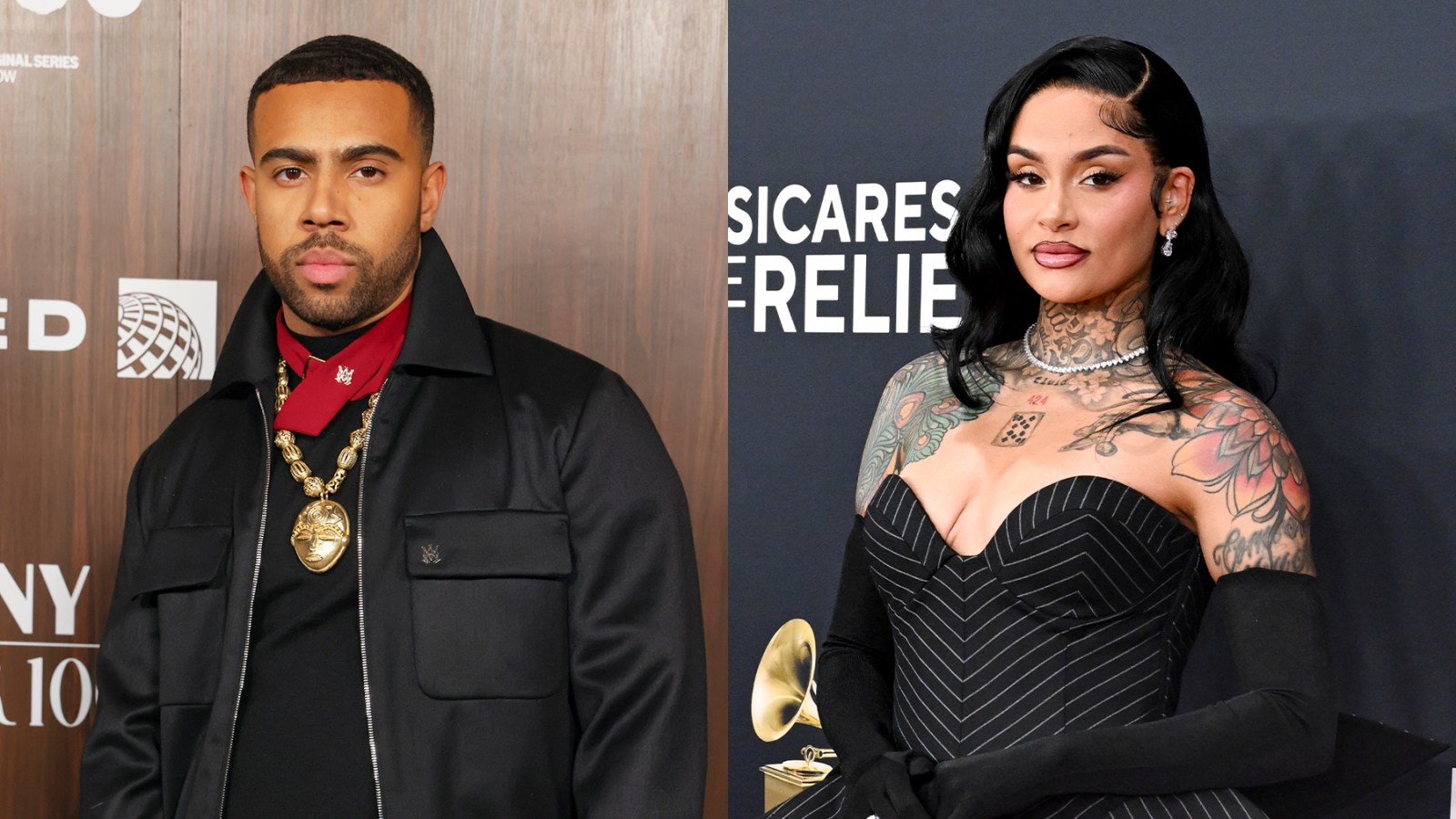
Kehlani’s Courage Amid Cancelation: A Stand for Humanity
In a gripping display of solidarity, R&B sensation Kehlani finds herself at the center of a turbulent storm following the cancellation of her concerts at Cornell University and New York’s iconic SummerStage. The reason? Her vocal support for Palestine, specifically her stance against genocide, which has left many in the music industry both inspired and apprehensive about the repercussions of activism.
In recent weeks, Kehlani has made headlines not just for her music, but for her unwavering commitment to humanitarian causes. After her performances were axed, she took to social media to express her thoughts, addressing the motives behind the cancellations. "If you want to cancel me from opportunity, stand on it being because of your zionism. Don’t make it anti-jew,” she declared, articulating her stance against the actions of the Israeli government.
Kehlani’s recent assertiveness is echoed by fellow artist Vic Mensa, who penned an open letter praising her moral fortitude in the face of backlash. “I’ve been awe inspired by the way you’ve stood up,” he wrote, reflecting on his own hesitations amid personal struggles. In a time when many artists choose to remain politically neutral, Kehlani’s boldness is a clarion call, reminding others of the power of integrity.
As violence continues to escalate in the Gaza region, with estimates of tens of thousands of Palestinian lives lost since the conflict reignited, Kehlani’s advocacy shines a necessary light on the human cost of war. “I am anti-genocide, I am anti the actions of the Israeli government,” she stated firmly, emphasizing her humanity over the complexities of geopolitics.
Both artists poignantly touch on the struggles of balancing artistic opportunities with ethical beliefs. Mensa, who considers Kehlani’s courage as a guiding force, expressed a personal dilemma: “Sometimes I think ‘my baby can’t eat beliefs,’ and I hold my tongue. And something inside me dies slowly.” His words resonate deeply in an industry where financial security often trumps moral convictions.
Fans are rallying around Kehlani, who has cultivated a devoted following because of her ability to connect on an emotional and ethical level. In response to Mensa’s tribute, she expressed gratitude, stating, “I’m glad we got each other. you’ve spoken life into me more times than I can count, I love you.”
As this story unfolds, it serves as a reminder: in a world often defined by division, artists like Kehlani and Mensa are finding ways to unite, not just through music but through shared values and courage. They’re redefining what it means to lose opportunities; by standing firm on their convictions, they inspire a new generation of musicians to reframe their definitions of success.
Conclusion
In a landscape where silence can be safer than standing up for beliefs, Kehlani’s voice echoes loud and proud. Her journey illustrates that the true measure of an artist lies not just in their hits but in their heart—making notes on humanity that resonate far beyond the stage.


