
Yasmin Williams Discusses “Surprising” Email Exchange with New Kennedy Center President: “He’s Clearly Unstable”
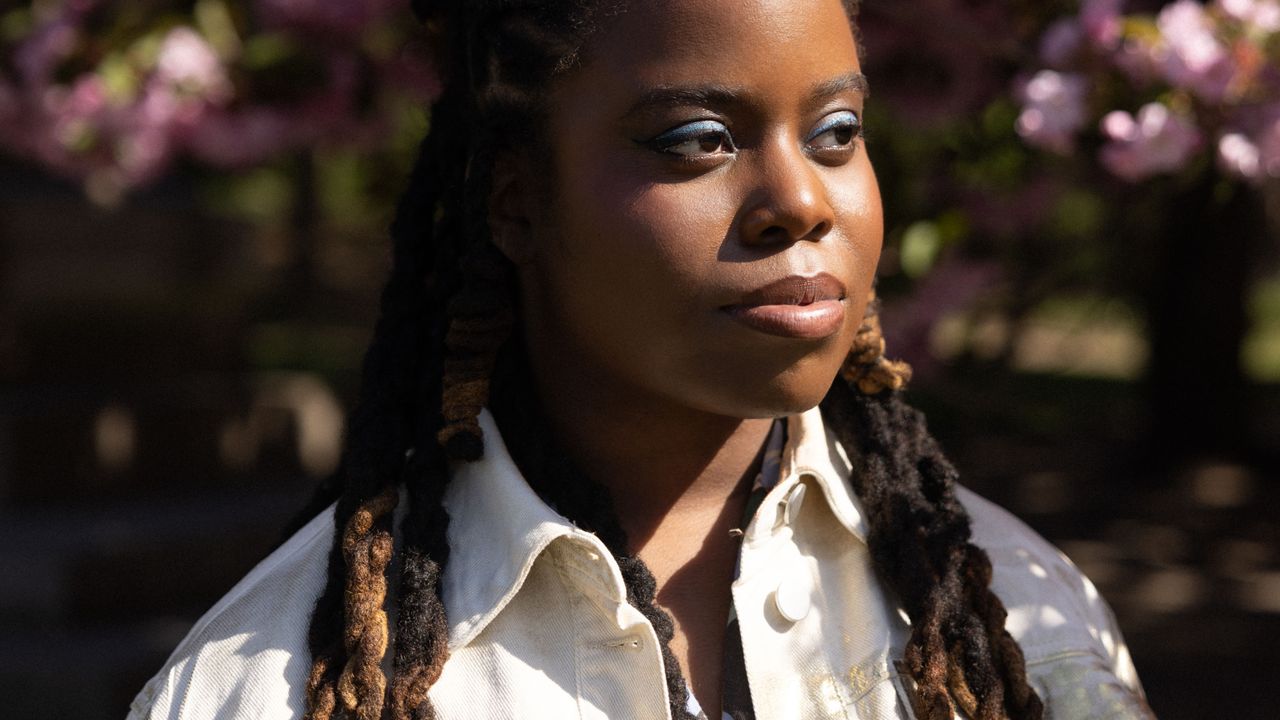
Yasmin Williams Speaks Out: A Dive into the Kennedy Center’s Leadership Shakeup
Days after a heated email exchange with Richard Grenell, Yasmin Williams opens up to Pitchfork about the fallout from her discussion concerning the Kennedy Center’s future.
In a candid phone interview with Pitchfork, musician Yasmin Williams shared her concerns and motivations behind reaching out to Richard Grenell, the interim executive director of the Kennedy Center. The dialogue ignited a firestorm of interest following revelations that Grenell responded to her inquiries with a series of unexpected remarks.
Williams, who has spent countless hours at the Kennedy Center, spoke passionately about her connection to the institution. “It holds a special place in my heart,” she said, recalling some of the most significant moments in her life that occurred within its storied walls. However, with the shift in leadership—especially under the watchful eye of former President Trump—apprehension has bubbled among artists and patrons alike.
“The conflicting messages surrounding the center’s programming had everyone feeling uneasy,” Williams explained. “One piece claimed a show was canceled under Trump’s leadership, while another refuted that timeline. It was confusing, and honestly, alarming. My musician friends and other regular attendees just wanted clarity.”
Through connections with fellow folk artist Cathy Fink, Williams discovered Grenell’s contact and seized the opportunity to gather insights about the Kennedy Center’s future. Her initial tone was one of concern—not confrontation. “I had been vocal about my feelings towards artists boycotting,” she revealed. “So many people depend on their jobs there, and the Kennedy Center pays better than any venue in D.C. The need to continue the programming felt vital to me.”
Her hopes for transparency quickly escalated. What followed was a rapid-fire series of emails late one night where Grenell’s responses came almost instantaneously. “I didn’t expect him to reply at all, let alone so quickly,” she noted, a hint of disbelief still coloring her recollection.
The exchange took a turn, however, when Grenell accused her of failing to “do your own research,” prompting Williams to share their conversation on social media. “I found it shocking and bizarre,” she said. “This is the person at the helm of the Kennedy Center. After all, he was supposed to be leading with an understanding of the arts. When I posted the emails, I felt people deserved to see who’s in charge.”
By the next morning, her revelations had gone viral, illuminating not just her sentiments but stirring a wider conversation about the leadership at one of the country’s foremost cultural institutions.
Amidst the social media storm, Williams maintains an optimistic outlook for the Kennedy Center’s future. “I believe in dialogue and transparency. Artists play a crucial role in making that space what it is,” she stated emphatically. “I just want to see it thrive, not only for the audience but for the community that works there.”
As the discussions continue to evolve, it remains to be seen how the Kennedy Center will respond to the increasing scrutiny from artists like Williams who refuse to turn a blind eye to its leadership.
In an age where cultural institutions are reassessing their roles and responsibilities, Williams’ dedication serves as a reminder of the fragile balance between art, politics, and community engagement—a balance that institutions like the Kennedy Center must navigate in an increasingly polarized environment. Whether Grenell and his leadership team will rise to the occasion remains a question on everyone’s mind. The future of the Kennedy Center may hinge on their ability to foster genuine engagement with the very artists it seeks to celebrate.


