
Jonny Greenwood and Dudu Tassa Release Statement Addressing BDS Campaign Targeting Their Concerts
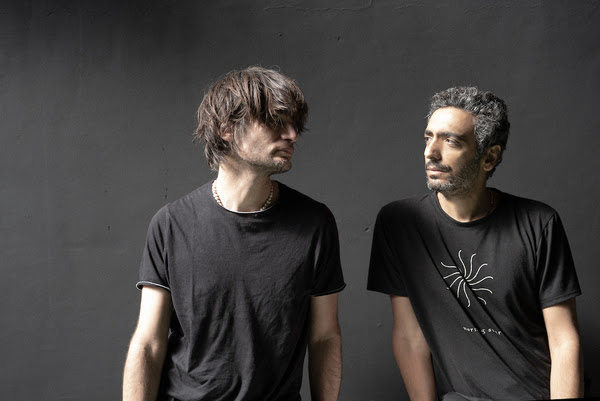
Music and Politics Collide: Jonny Greenwood and Dudu Tassa’s Shows Canceled Amid Palestine Solidarity Protests
In a striking intersection of music and activism, shows scheduled in Bristol and London by Radiohead’s Jonny Greenwood and Israeli collaborator Dudu Tassa have been abruptly canceled in the wake of mounting protests. These protests, spearheaded by the Boycott, Divestment, and Sanctions (BDS) movement, sought to amplify the call for solidarity with Palestine amidst escalating violence in Gaza.
The duo, known for their musical synergy, has faced increasing scrutiny for their decision to perform in Israel during a period marked by intensified conflict. A statement from the artists lamented the cancellations, framing them as acts of “censorship and silencing.” They asserted, “Forcing musicians not to perform and denying people who want to hear them an opportunity to do so is self-evidently a method of censorship and silencing.” Their message aimed to illustrate the complexities surrounding artistic expression and the ongoing political turmoil in the region.
While Greenwood and Tassa claimed credible threats to venue safety necessitated the withdrawal, the Palestinian Campaign for the Academic and Cultural Boycott of Israel (PACBI) has contested these assertions. PACBI detailed that the cancellations resulted from peaceful BDS pressure, citing the duo’s prior performances as detrimental to the Palestinian cause. Their critique emphasized that the canceled shows were part of a larger dialogue about the responsibilities of artists in politically charged contexts.
The backlash against Greenwood and Tassa gained momentum after a May 2024 concert in Tel Aviv, which occurred during a tragic episode of violence in Gaza. Critics have alleged that performing under such circumstances contributes to what they termed “artwashing genocide,” a term used to describe efforts to divert attention from the socio-political implications of one’s work.
In further developments, PACBI has intensified its campaign, signaling a push for a broader boycott against Greenwood’s other projects, including Radiohead, unless the band articulates a clear distancing from the complicity in supporting Israeli state actions. Their call encourages an examination of the ethics surrounding artistic partnerships amid geopolitical crises.
As this narrative unfolds, it raises essential questions about the intersection of art, politics, and responsibility. While Greenwood and Tassa advocate for dialogue and performance as avenues for peace and justice, many activists argue that artistic endeavors in certain contexts may unwittingly contribute to ongoing suffering. The conversation surrounding their music has now become inseparable from the larger dynamics of conflict, making it a poignant moment in the dialogue around artistic freedom and political accountability.
As both sides grapple with the implications of these recent developments, the world watches closely, reminding us that the stage is as much a platform for political expression as it is for musical performance.


